
BOTOX IN CARMEL, IN
Botox Treatments: What You Need to Know
Botox is a popular cosmetic treatment known for reducing wrinkles and fine lines. It's a quick procedure with minimal downtime, making it a convenient choice for many.
But what exactly is Botox, and how does it work? Understanding the basics can help you decide if it's right for you.
The cost of Botox varies based on several factors, including location and provider. It's important to consider these when planning your treatment.
Comparing products like Jeuveau and Letybo can also be beneficial. Each has unique properties and potential benefits.
Botox isn't just for cosmetic purposes. It has medical applications, such as treating migraines and excessive sweating.
Potential side effects exist, so it's crucial to be informed. Consulting with a qualified provider ensures safety and effectiveness.
Before deciding, consider the benefits and risks. This guide will help you navigate the world of Botox treatments.
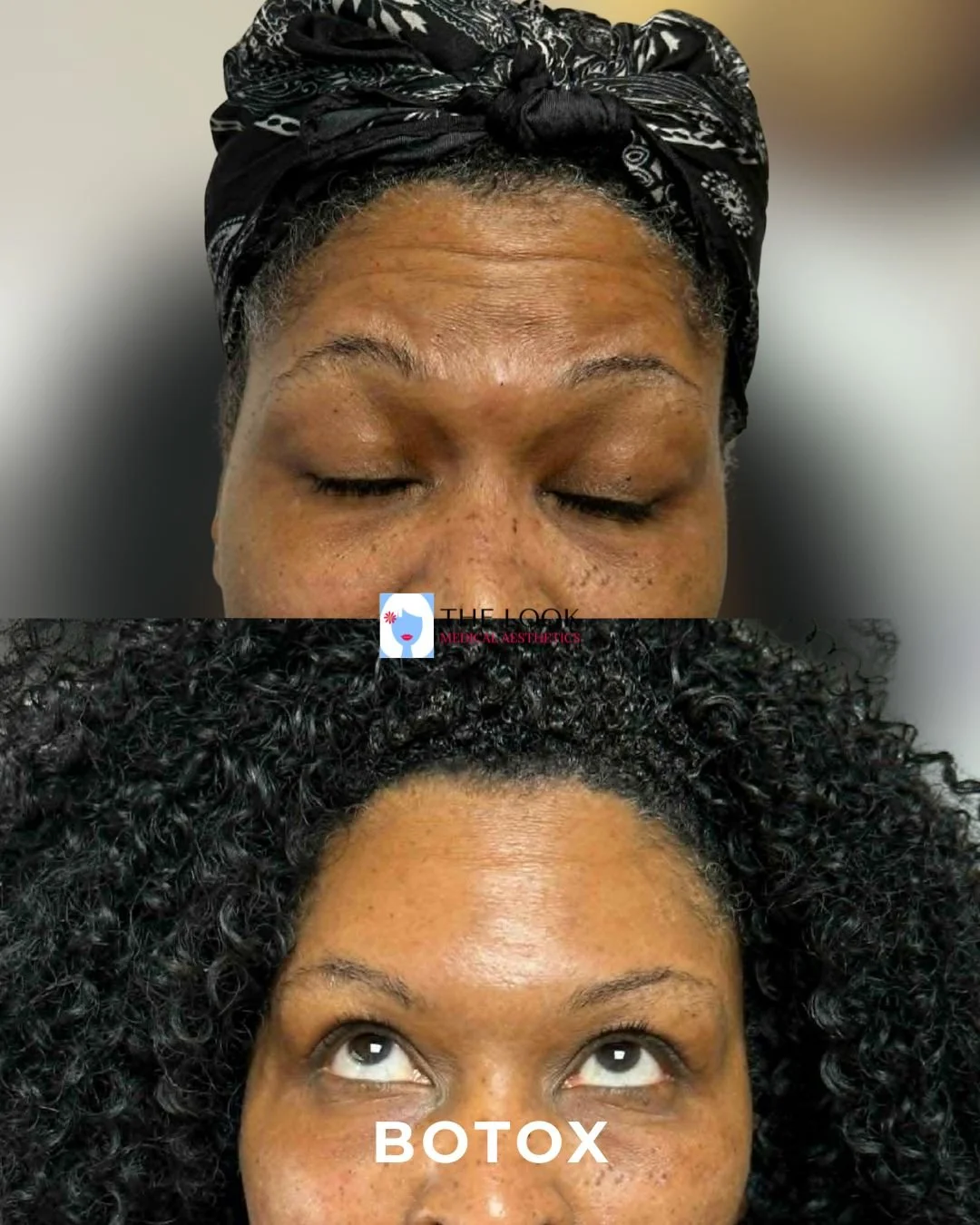
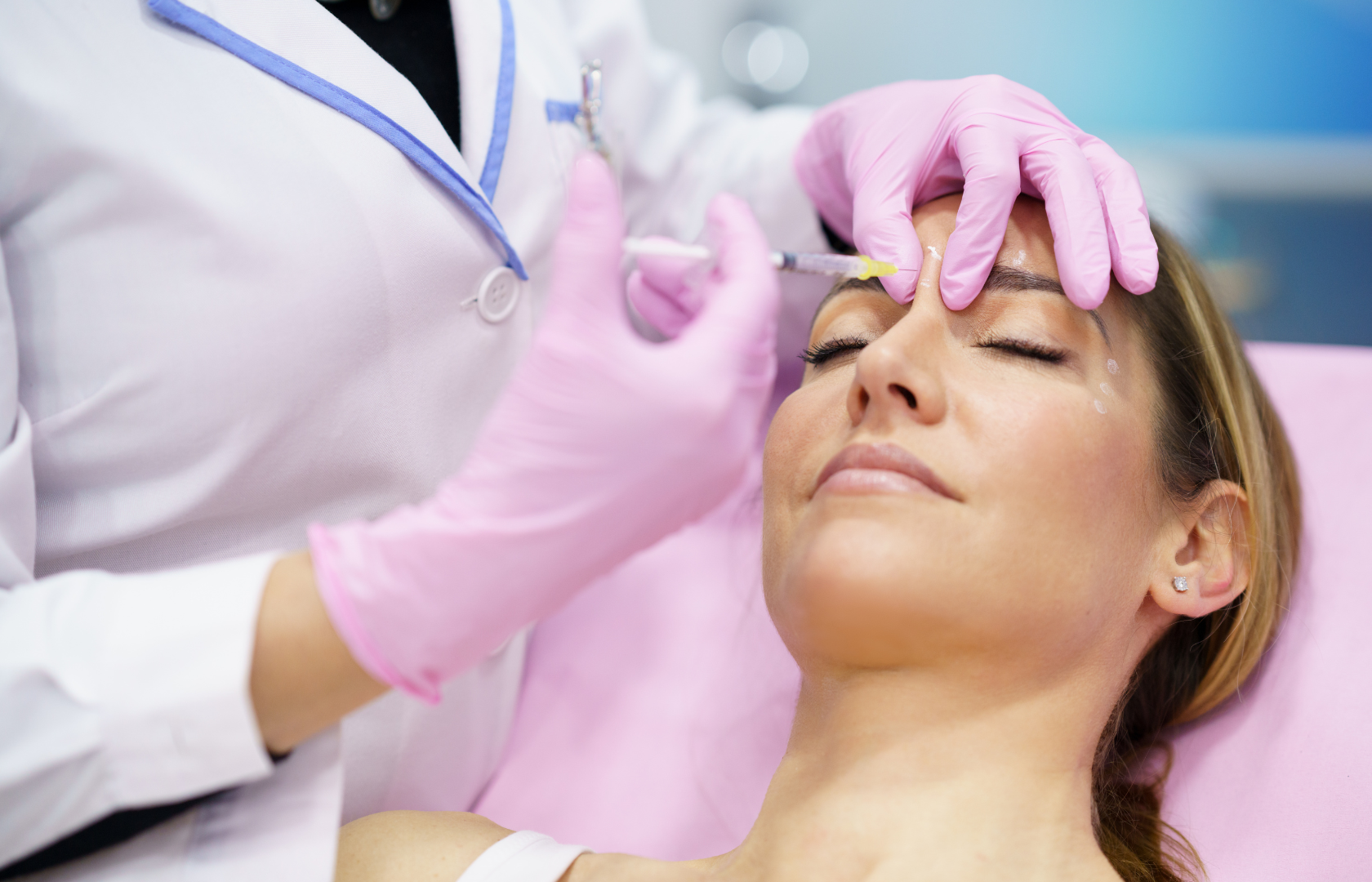
What Is Botox? Understanding the Basics
Botox is a protein derived from Botulinum toxin, produced by the bacterium Clostridium botulinum. Though it sounds intimidating, in controlled doses, it's very safe. The FDA approved Botox for cosmetic use in 2002.
Botox works by blocking nerve signals in the muscles where it is injected. This temporary paralysis reduces muscle activity, smoothing out wrinkles and lines. Its most common application is on facial areas like the forehead and around the eyes.
Aside from its cosmetic uses, Botox also serves medical purposes. It treats chronic migraines, excessive sweating, and certain muscle disorders. Its versatility makes it a sought-after procedure.
Here are some key features of Botox:
Reduces facial wrinkles and fine lines
Temporary muscle paralysis
Quick procedure with minimal recovery time
Potential side effects can include minor bruising and swelling. Rarer effects might involve temporary eyelid drooping or headaches. It's crucial to receive Botox from a certified professional to minimize these risks.
The effectiveness of Botox is influenced by factors such as the specific area being treated, the dose administered, and individual skin characteristics. Always consult with a healthcare provider to determine the best approach for your goals.
Understanding these basics helps set realistic expectations. Botox offers a non-surgical alternative to achieving a smoother, more youthful appearance.
How Botox Works: The Science Behind the Treatment
Botox operates by targeting the nervous system. It interrupts the nerve signaling processes that cause muscle contractions. The lack of contraction leads to smoother skin over time.
When Botox is injected, it temporarily binds to the receptors on the muscle fiber. This prevents the release of acetylcholine, a neurotransmitter, from nerve endings. Without acetylcholine, muscles remain in a relaxed state.
The effect isn't immediate. It usually takes 3 to 7 days to start working. Full results are visible within about two weeks. This gradual onset allows patients to plan treatments without drastic, instant changes.
Despite being derived from a toxin, Botox is safely used in controlled doses. The FDA's approval underscores its efficacy and safety when applied by skilled hands.
Key points about the Botox process:
Blocks acetylcholine to prevent muscle contraction
Effects begin in 3-7 days
Full results seen in about two weeks
Understanding this mechanism can help reassure those new to the treatment. Their muscles relax, resulting in a more youthful and refreshed appearance.
Common Uses for Botox: Cosmetic and Medical Applications
Botox has become a household name in cosmetic procedures. It's best known for reducing wrinkles and fine lines. The treatment is popular for smoothing crow's feet, frown lines, and forehead wrinkles.
Another cosmetic use is for masseter reduction. This application can slim the jawline. It offers significant results with minimal effort and downtime.
Beyond beauty enhancements, Botox has medical benefits. It's a treatment for chronic migraines, offering relief for many patients. Injections can reduce the frequency and severity of headache episodes.
People with excessive sweating (hyperhidrosis) also find relief through Botox. The injections can decrease sweating in areas like underarms and hands. This improves comfort and confidence significantly.
Botox assists with muscle-related conditions too. It treats muscle spasms, like those seen with cervical dystonia. This can alleviate pain and improve mobility for sufferers.
Additional medical applications include:
Treating bladder dysfunction
Reducing symptoms of TMJ
Softening specific muscle contractions
Given its diverse uses, Botox serves both cosmetic and therapeutic roles. Consulting with a professional can help patients explore these options.
Botox Treatment Process: What to Expect Before, During, and After
Understanding the Botox treatment process can ease nerves and set expectations. Preparation, procedure, and aftercare are all part of the journey.
Before Your Botox Appointment
A successful Botox treatment starts with preparation. Consult with your provider to discuss your goals. This conversation helps tailor the treatment to your needs.
A few things you might discuss:
Areas to treat
Desired outcomes
Possible questions or concerns
Preparation includes some lifestyle changes. Avoid alcohol and blood thinners like aspirin before your appointment. These can increase the risk of bruising or swelling.
During the Procedure
The procedure itself is typically quick and relatively painless. Your provider will clean the areas to be treated. Then, they use a fine needle for the injections.
During the procedure, expect:
Minimal discomfort
A session lasting between 10 and 30 minutes
No significant downtime afterward
Your doctor might use ice or a numbing agent to reduce discomfort. Most patients find the process tolerable and straightforward.
Aftercare and Recovery
Post-treatment care is crucial for optimal results. Avoid rubbing or massaging the treated area. This helps prevent Botox from migrating to unwanted areas.
Here are some aftercare tips:
Stay upright for at least four hours
Avoid strenuous exercise for 24 hours
Protect your skin from direct sun exposure
Recovery time is minimal, allowing you to return to normal activities quickly. Full results generally appear within two weeks. Follow your provider’s advice for the best outcome.
Botox Cost: What Influences the Price?
Botox cost varies significantly. Several factors contribute to this variation. Understanding these can help in planning your budget effectively.
Location is a primary determinant of Botox cost. Urban centers often have higher prices than rural areas. This difference reflects local living costs and market demand.
The provider’s expertise also impacts cost. Highly experienced professionals may charge more. Their advanced skills, however, often justify higher fees.
Another influencing factor is the number of Botox units needed. Different areas require different amounts for optimal results. The specific treatment area and personal goals play roles here.
Expect variation in Botox prices due to:
Location and clinic setting
Provider’s reputation
Number of units needed
Complexity of the treatment
Promotional discounts and specials can reduce costs. Many clinics offer these during certain times or for new customers. Always verify the professional’s credentials to ensure safety. Whether you're looking for Botox specials near you or balancing factors like Jeuveau vs Botox, careful consideration of these elements can guide your decisions.
Botox Specials Near Me: How to Find Deals and Discounts
Finding Botox specials can make treatments more affordable. Many clinics run promotions throughout the year. These offers make it easier to maintain or start Botox treatments.
A great place to begin is online searches. Websites often list current deals and discounts. Social media platforms of clinics also announce limited-time offers. Following them can keep you updated on new opportunities.
Subscribing to newsletters is another effective strategy. Clinics frequently share promotions with their subscribers first. Staying on mailing lists can give you access to unique offers and first dibs on specials.
Consider these tips to find deals:
Search online for local promotions
Follow clinics on social media
Subscribe to newsletters for updates
by Walls.io (https://unsplash.com/@walls_io)
Remember, choosing a qualified provider should be a priority. Discounts are great but ensure the professional’s skills and safety standards are up to par.
Comparing Neuromodulators: Jeuveau vs Botox vs Letybo
Understanding neuromodulators can help you choose the right treatment. Jeuveau, Botox, and Letybo are popular options. Each has unique features and benefits.
Botox is a well-known choice for smoothing wrinkles. It has a long history of safe and effective use. On the other hand, Jeuveau is sometimes called "Newtox". It's marketed as a more affordable option with similar outcomes.
Letybo is newer on the market. It offers different formulations that could better suit some patients. Patients should discuss their options with healthcare providers.
A few factors differentiate these products:
Protein structure variations
Cost differences
Availability of each product
With newer options like Jeuveau and Letybo, patients might consider alternatives. Cost, provider recommendations, and individual reactions can influence choice.
Selecting between these neuromodulators depends on personal needs. Comparing Jeuveau vs Botox vs Letybo involves understanding these aspects.
Jeuveau vs Botox
The comparison between Jeuveau and Botox is intriguing. Jeuveau is marketed as cost-effective but provides similar results to Botox. It suits those seeking budget-friendly alternatives.
Key differences between Jeuveau and Botox:
Jeuveau might offer lower prices
Some users report subtle variations in effect duration
Botox has a longer track record
Each product has benefits, but choosing depends on individual goals. Discussing with a professional can pinpoint the best choice.
Letybo vs Botox
Letybo and Botox have distinct differences worth noting. Letybo offers a fresher approach with varying compositions. Its unique formula could be preferred by certain individuals.
Letybo vs Botox considerations include:
Letybo's differing properties
Potentially different patient outcomes
Botox's extensive history and usage
Understanding these differences aids decision-making. Consulting with a professional can clarify if Letybo suits you better than Botox.
FAQs
-
The amount of treatment needed depends on several factors, including the area(s) being treated (such as 11s, forehead, crow’s feet), the strength of your facial muscles, and the depth of your existing lines. A complimentary consultation with our practitioners will help create a personalized plan for you.
-
Most clients describe the sensation as a tiny pinch. The needle used is quite small, goes in smoothly, and the neurotoxin is injected quickly, resulting in minimal pain. Numbing agents are not typically used for this treatment.
-
There is virtually zero downtime with neurotoxin treatments. Often referred to as a “lunchtime procedure,” most patients can return to work or normal activities immediately. Some redness and swelling may occur at the injection sites but will usually subside within a few hours. Minor bruising is rare.
-
Results typically last around 3-6 months, depending on the treatment location, your muscle activity, and your body’s response.
-
While Botox®, Dysport®, and Xeomin® are all neurotoxin injectables used to treat and prevent wrinkles, their chemical compositions slightly differ. Our practitioners will explain the differences and help you choose the best product for your needs.
-
Neurotoxin injections are very common and low-risk procedures. The most reported side effects include headaches, minor bruising, and swelling at the injection site, although these are rare. Your nurse injector will cover all potential risks before treatment.
-
Eligibility: Clients who are pregnant or nursing are not eligible for neurotoxin treatment.
Avoid Makeup: Do not wear makeup to your appointment so our injectors can see your fine lines and wrinkles clearly.
Timing: Schedule your appointment at least two weeks before any important event.
Alcohol: Avoid drinking alcohol for 24 hours before the injection to minimize the risk of bruising.
Skincare Products: Avoid Retin-A, Tretinoin, and Retinoids for three days prior to the injection.
Skin Cleanliness: Arrive with clean, makeup-free skin for proper assessment and injection planning.
-
No Makeup: Avoid applying makeup immediately after treatment.
Stay Upright: Do not lie down for 4 hours.
Exercise: Avoid exercise for 24 hours; walking is okay.
Alcohol: Avoid drinking alcohol for 24 hours after the injection.
Avoid Massaging: Do not massage the area, including heavy application of serums or moisturizers, for 4-6 hours.
Facials: Avoid facials for one week.
Contact Us
Reduce wrinkles and achieve a smoother, more youthful appearance with botox treatments at The Look Medical Aesthetics in Carmel, Indiana! Contact us today to schedule your consultation and take the first step towards revitalized skin.
Disclaimer: On this website the word “Botox” is sometimes used to represent an entire class of medications containing the prescription medication, botulinum toxin type A. Botox is a registered brand-name of the first botulinum toxin type A medication that was made by Allergan. The word “Botox” is used to describe multiple brands of botulinum toxin type A due to “Botox” being the word that most consumers recognize.
All of the information provided is for general informational purposes only. It is not intended as a substitute for professional advice from a qualified med spa healthcare professional and should not be relied upon as personal health advice. The information contained in this content is not meant to diagnose, treat, cure, or prevent any disease. You are advised to consult with a qualified healthcare professional for any medical concerns. Use of this information is at your own risk. We are not responsible for any adverse effects, or consequences resulting from the use of any suggestions or information provided.